Tabletop 5e Character Dossiers

DnD Classes: The Complete 5e Character Guide

Compare DnD classes using 2014 fifth-edition rules. Explore the 12 core classes, Artificer, and the unofficial Blood Hunter, with hit dice, abilities, roles, and subclass ideas.

Blood Hunter is Matt Mercer’s homebrew class. Rules and subclasses differ in the 2024 revision. Check your table’s rules before choosing a build. Sources: 2014 Basic Rules and D&D Beyond’s Blood Hunter guide.

14Class Profiles
56+Subclasses
4Hit Die Tiers
100%Free Reference
Codex SpotlightFrontline Tactician
Hit Die: d10
Fighter character portrait
Fighter
Battle Master Champion

Master of martial discipline, heavy armor, and devastating Action Surge bursts across tactical encounters.

Primary: Strength / DexSaves: Str & Con
Preview Pillars:
Interactive Directory

All 14 Character Classes

Barbarian character portrait
Core 5eFrontline Tank & Berserker

Barbarian

Hit Died12
Primary AbilityStrength
Saving ThrowsStrength & Constitution
ProficienciesLight armor, medium armor, shields; Simple weapons, martial weapons

"A fierce warrior of primal instinct who enters a supernatural battle rage to shrug off fatal wounds and cleave through foes. Barbarians excel in the thick of melee combat, turning raw fury into unmatched physical fortitude."

Playstyle Radar

Offense5/5
Defense5/5
Support2/5
Utility1/5
Complexity1/5

Notable Subclasses

Path of the BerserkerChannels unbridled fury into additional frenzy attacks while resisting charm and fear.
Path of the Totem WarriorBonds with spiritual beasts such as the bear, eagle, or wolf for supernatural resilience.
Path of the ZealotInfuses strikes with divine wrath and refuses death even when reduced to zero hit points.
Path of Wild MagicUnleashes unpredictable chaotic magic surges each time battle rage ignites.

Player Persona: Players who love charging headfirst into danger, rolling massive damage dice, and refusing to fall in battle.

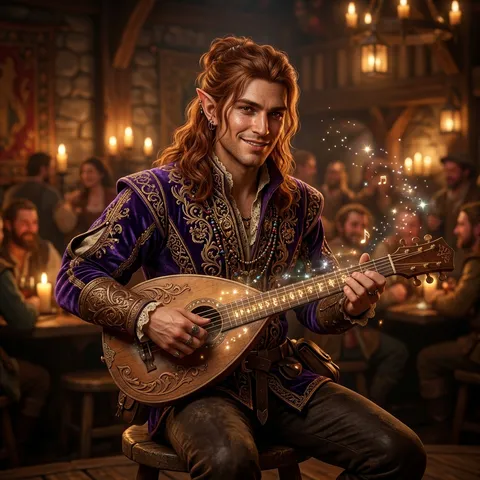
Bard character portrait
Core 5eSupport Specialist & Arcane Generalist

Bard

Hit Died8
Primary AbilityCharisma
Saving ThrowsDexterity & Charisma
ProficienciesLight armor; Simple weapons, hand crossbows, longswords, rapiers, shortswords

"An inspiring magician whose music weaves the fundamental resonance of the multiverse. Bards bolster allies with Bardic Inspiration, disrupt enemy schemes with sharp cutting words, and steal the greatest spells from other traditions."

Playstyle Radar

Offense3/5
Defense2/5
Support5/5
Utility5/5
Complexity4/5

Notable Subclasses

College of LoreMasters historical lore and steals powerful spells from across the arcane multiverse.
College of EloquenceSupreme orators whose persuasive speeches sway judges, kings, and enemy saving throws.
College of SwordsDances through melee combat with blade flourishes and dazzling weapon footwork.
College of GlamourWields unearthly fey majesty to enthrall throngs and orchestrate party repositioning.

Player Persona: Creative players who want to do everything well, dominate dialogue scenes, and swing key encounters with buffs.

Cleric character portrait
Core 5eDivine Healer & Battlecaster

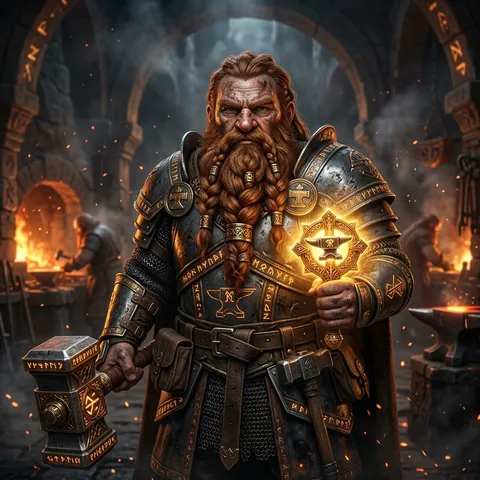
Cleric

Hit Died8
Primary AbilityWisdom
Saving ThrowsWisdom & Charisma
ProficienciesLight armor, medium armor, shields (some domains add heavy armor); Simple weapons (some domains add martial weapons)

"A devout champion who channels miraculous divine energy from a god or cosmic domain. Armored clerics balance potent healing and defensive wards with radiant offensive spells and formidable melee survivability."

Playstyle Radar

Offense4/5
Defense4/5
Support5/5
Utility4/5
Complexity3/5

Notable Subclasses

Life DomainPremier healers whose restorative magic maximizes hit points granted to injured companions.
Light DomainWields brilliant sunfire to incinerate enemy hordes and blind incoming attackers.
Twilight DomainEnvelops comrades in soothing twilight armor that refreshes temporary hit points each turn.
Forge DomainDivine artisans clad in heavy plate who forge enchanted weapons directly on the battlefield.

Player Persona: Team anchors who want rock-solid survivability, game-saving heals, and holy radiant firepower.

Druid character portrait
Core 5ePrimal Caster & Shapeshifter

Druid

Hit Died8
Primary AbilityWisdom
Saving ThrowsIntelligence & Wisdom
ProficienciesLight armor, medium armor, shields (non-metal); Clubs, daggers, darts, javelins, maces, quarterstaffs, scimitars, sickles, slings, spears

"A guardian of the ancient wilderness who harnesses the raw primal power of nature. Druids cast earth-shattering elemental spells, mend the wounded, and use Wild Shape to morph into deadly beasts or woodland scouts."

Playstyle Radar

Offense3/5
Defense4/5
Support4/5
Utility5/5
Complexity4/5

Notable Subclasses

Circle of the MoonSpecializes in transforming into ferocious combat beasts as a rapid bonus action.
Circle of the StarsConsults ancient celestial star charts to blast radiant bolts or augment healing fonts.
Circle of WildfireCommands a bonded primal flame spirit to scorch enemies and teleport allies.
Circle of the LandMasters biome-specific spells and recovers magical slots during brief rests.

Player Persona: Nature lovers who enjoy shapeshifting into animals, controlling the battlefield, and having versatile spell solutions.

Fighter character portrait
Core 5eMartial Master & Weapon Tactician

Fighter

Hit Died10
Primary AbilityStrength or Dexterity
Saving ThrowsStrength & Constitution
ProficienciesAll armor (light, medium, heavy), shields; Simple weapons, martial weapons

"A premier master of warfare skilled with an unmatched arsenal of weapons and armor. Fighters control the flow of battle through Action Surge, tactical fighting styles, and rapid multiple attacks that grind enemy lines to dust."

Playstyle Radar

Offense5/5
Defense4/5
Support2/5
Utility2/5
Complexity2/5

Notable Subclasses

Battle MasterUses superiority dice to execute combat maneuvers including trips, disarms, and tactical feints.
Eldritch KnightBlends abjuration and evocation wizardry seamlessly into martial sword strikes.
ChampionMaximizes basic athletic physical power while doubling critical strike thresholds.
Echo KnightManifests a shadowy echo duplicate to attack from range and instantly swap battlefield spots.

Player Persona: Tacticians who want deep weapon mastery, reliable burst turns with Action Surge, and martial flexibility.

Monk character portrait
Core 5eMobile Striker & Ki Adept

Monk

Hit Died8
Primary AbilityDexterity & Wisdom
Saving ThrowsStrength & Dexterity
ProficienciesNone (Unarmored Defense); Simple weapons, shortswords

"A martial artist who harnesses internal ki energy to exceed mortal physical limits. Monks zip across walls and liquid, deflect incoming arrows mid-flight, and deliver rapid flurries of unarmed strikes that leave enemies stunned."

Playstyle Radar

Offense4/5
Defense3/5
Support2/5
Utility3/5
Complexity3/5

Notable Subclasses

Way of the Open HandManipulates ki flow to knock opponents prone, shove foes across rooms, or stop hearts.
Way of ShadowTeleports through darkness to ambush spellcasters and silence alarms undetected.
Way of MercyWields medicinal ki masks to mend wounded allies or inflict chilling necrotic harm.
Way of the KenseiTurns specialized swords, polearms, and bows into lethal extensions of the martial soul.

Player Persona: Action martial arts fans who want extreme mobility, arrow-catching, and battlefield stun combos.

Paladin character portrait
Core 5eHoly Crusader & Aura Protector

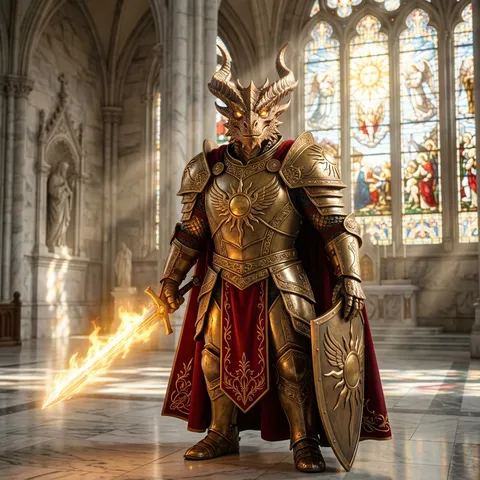
Paladin

Hit Died10
Primary AbilityStrength & Charisma
Saving ThrowsWisdom & Charisma
ProficienciesAll armor (light, medium, heavy), shields; Simple weapons, martial weapons

"A righteous holy warrior bound to a sacred oath that manifests divine justice on the battlefield. Paladins combine heavy armor, lay on hands healing, and devastating radiant Divine Smites with party-protecting auras."

Playstyle Radar

Offense5/5
Defense5/5
Support4/5
Utility2/5
Complexity2/5

Notable Subclasses

Oath of DevotionThe classic knight in shining armor whose sacred blade dispels evil and repels fiends.
Oath of VengeanceA relentless huntsman who vows the destruction of hated foes with Vow of Enmity.
Oath of the AncientsChampions the light of nature, granting an aura that halves incoming spell damage for the team.
Oath of ConquestSubjugates adversaries through crushing supernatural fear and aura lockdown.

Player Persona: Natural leaders who love dropping huge critical hit smites, standing as an unyielding bulwark, and buffing allies.

Ranger character portrait
Core 5eWilderness Skirmisher & Hunter

Ranger

Hit Died10
Primary AbilityDexterity & Wisdom
Saving ThrowsStrength & Dexterity
ProficienciesLight armor, medium armor, shields; Simple weapons, martial weapons

"A cunning tracker and borderlands scout who balances nature spells with martial archery or twin blade strikes. Rangers master hostile environments, locate hidden prey, and unleash devastating ambush rounds before enemies react."

Playstyle Radar

Offense4/5
Defense3/5
Support3/5
Utility4/5
Complexity2/5

Notable Subclasses

Gloom StalkerUnderdark ambush master invisible to darkvision who delivers furious opening-round volleys.
HunterCustomizes battle tactics against massive hordes, giant monstrosities, or evasive skirmishers.
Fey WandererInfuses charismatic fey trickery into dialogue and psychic power into arrow hits.
Beast MasterBonds with a loyal animal companion that fights and maneuvers alongside the ranger.

Player Persona: Tactical survivalists who love archery, tracking across wild terrain, and coordinating with beast companions.

Rogue character portrait
Core 5ePrecision Striker & Skill Expert

Rogue

Hit Died8
Primary AbilityDexterity
Saving ThrowsDexterity & Intelligence
ProficienciesLight armor; Simple weapons, hand crossbows, longswords, rapiers, shortswords

"A stealthy opportunist who capitalizes on enemy distraction to strike with lethal precision. Rogues deliver deadly Sneak Attacks, unlock traps with effortless skill checks, and slip through shadows via Cunning Action."

Playstyle Radar

Offense5/5
Defense3/5
Support1/5
Utility4/5
Complexity2/5

Notable Subclasses

Arcane TricksterLearns illusion and enchantment wizardry to manipulate objects with an invisible Mage Hand.
AssassinMasters deadly disguise and guarantees critical surprise hits on unaware targets.
SwashbucklerA charismatic duelist who triggers Sneak Attack in one-on-one combat without allies nearby.
SoulknifeManifests shimmering psionic blades that cut minds directly and boost skill check rolls.

Player Persona: Sneaky operators who love rolling piles of d6 sneak attack dice, solving locks, and evading damage.

Sorcerer character portrait
Core 5eInnate Blaster & Metamagic Specialist

Sorcerer

Hit Died6
Primary AbilityCharisma
Saving ThrowsConstitution & Charisma
ProficienciesNone; Daggers, darts, slings, quarterstaffs, light crossbows

"A spellcaster born with innate arcane power flowing through their bloodline or spark of destiny. Sorcerers sculpt spells on the fly with Metamagic, extending reach, twin-casting enchantments, or blasting foes with raw sorcery points."

Playstyle Radar

Offense5/5
Defense2/5
Support3/5
Utility3/5
Complexity3/5

Notable Subclasses

Draconic BloodlineSprouts dragon scales for resilient defense while boosting matched elemental spell damage.
Wild MagicTaps unpredictable chaos surges to alter fate, manipulate rolls, and trigger magic fireworks.
Aberrant MindWields strange psionic telepathy, casting spells silently without material components.
Clockwork SoulChannels cosmic order to neutralize advantage or disadvantage and project damage-absorbing wards.

Player Persona: Blasters who want flexible spell modifications, twin-spell combos, and raw charismatic force.

Warlock character portrait
Core 5eOccult Pact Striker & Customizer

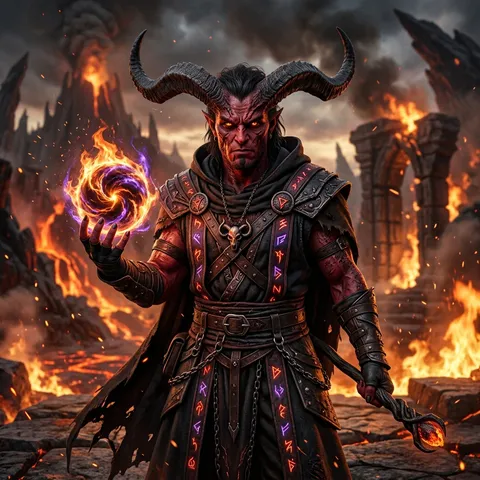
Warlock

Hit Died8
Primary AbilityCharisma
Saving ThrowsWisdom & Charisma
ProficienciesLight armor; Simple weapons

"A seeker of forbidden knowledge bound by pact to an otherworldly patron such as an archfey, fiend, or Great Old One. Warlocks cast max-level pact spells that recharge on short rests and snipe foes with upgraded Eldritch Blasts."

Playstyle Radar

Offense5/5
Defense3/5
Support2/5
Utility3/5
Complexity4/5

Notable Subclasses

The FiendDraws hellfire from the Lower Planes to gain temporary hit points whenever enemies fall.
The HexbladeAttacks using Charisma with shadowfell cursed weapons while hexing enemy targets.
The Great Old OneAwakens telepathic communication and bends minds with eldritch madness.
The GenieSanctuaries within an elemental vessel and adds elemental damage to strikes.

Player Persona: Customization enthusiasts who love deep invocations, short-rest spell resets, and sinister patron lore.

Wizard character portrait
Core 5eScholarly Arcane Specialist & Ritualist

Wizard

Hit Died6
Primary AbilityIntelligence
Saving ThrowsIntelligence & Wisdom
ProficienciesNone; Daggers, darts, slings, quarterstaffs, light crossbows

"A scholarly master of the magical arts who unlocks the laws of the universe through disciplined study. Possessing a boundless spellbook, wizards bring unmatched preparation, ritual versatility, and reality-warping spells."

Playstyle Radar

Offense5/5
Defense2/5
Support3/5
Utility5/5
Complexity5/5

Notable Subclasses

School of EvocationSculpts destructive fireballs and lightning bursts safely around friendly allies.
School of AbjurationCreates protective wards that absorb team damage and reliably counters magic.
School of DivinationRolls Portent d20 dice each morning to force successes or failures on friend or foe.
Order of ScribesAwakens an arcane grimoire that swaps spell damage elements and speeds ritual casting.

Player Persona: Planners and tacticians who love deep spellbooks, ritual preparation, and having an answer for every crisis.

Artificer character portrait
Expansion (TCoE)Magical Tinkerer & Support Specialist

Artificer

Hit Died8
Primary AbilityIntelligence
Saving ThrowsConstitution & Intelligence
ProficienciesLight armor, medium armor, shields; Simple weapons, firearms (optional)

"An inventive prodigy who channels magical energy into mundane items to engineer wondrous inventions. Artificers craft infused equipment, command mechanical homunculi, and innovate technical remedies for every hazard."

Playstyle Radar

Offense3/5
Defense4/5
Support4/5
Utility5/5
Complexity4/5

Notable Subclasses

ArmorerUpgrades specialized heavy armor into a defensive guardian suit or silent stealth chassis.
ArtilleristConstructs deployable eldritch cannons that grant party shields or fiery blast cones.
Battle SmithAttacks with intelligence, repairs gear, and commands an iron Steel Defender guardian.
AlchemistBrews experimental alchemical elixirs that grant flight, resilience, or swift healing.

Player Persona: Inventors and gearheads who enjoy infusing gear for companions, creating gadgets, and technical utility.

Blood Hunter character portrait
Partner (Critical Role)Occult Warrior & Blood Mage

Blood Hunter

Hit Died10
Primary AbilityStrength or Dexterity & Intelligence or Wisdom
Saving ThrowsDexterity & Intelligence
ProficienciesLight armor, medium armor, shields; Simple weapons, martial weapons

"A driven monster hunter who sacrifices their own vital essence to awaken esoteric blood magic. Blood Hunters enchant weapons with elemental Crimson Rites and curse adversaries using sacrificial Blood Maledicts."

Playstyle Radar

Offense5/5
Defense3/5
Support2/5
Utility2/5
Complexity4/5

Notable Subclasses

Order of the GhostslayerFocuses on hunting incorporeal undead with radiant Rite of the Dawn weapon energy.
Order of the LycanUnleashes controlled lycanthropic hybrid forms to tear foes apart with feral claws.
Order of the MutantConcocts toxic mutagenic elixirs that enhance physical stats at the cost of side effects.
Order of the Profane SoulBargains with occult patrons to weave pact magic spells directly into blood rite strikes.

Player Persona: Edgy monster hunters who love high-risk high-reward mechanics and spending hit points for devastating offense.

Step 01 · Core Dimensions

The Three Mechanical Selection Pillars

Selecting a character class is the single most defining mechanical and thematic choice you make in fifth edition tabletop roleplaying. While race and background supply cultural heritage and narrative origins, your class determines how you interact with every combat encounter, exploration challenge, and resource puzzle presented by your Dungeon Master. The ideal character aligns both your narrative fantasy and your preferred table gameplay loop.

To discover the class that fits your playstyle, consider three core mechanical dimensions: resource management horizons, battlefield positioning preferences, and procedural rule complexity. Players who prefer low bookkeeping thrive on classes with at-will abilities or short rest recoveries, such as the Champion Fighter, the Rogue, or the Warlock. Players who relish managing intricate spell lists, anticipating dungeon hazards, and preparing situational countermeasures will naturally gravitate toward versatile prepared casters like the Wizard, Cleric, or Druid.

Battlefield positioning represents another crucial division. Frontline warriors must possess high Armor Class and generous hit point reserves to endure focused enemy attacks in tight corridors. Skirmishers and ranged specialists need reliable mobility tools, such as the Rogue Cunning Action or the Monk Step of the Wind, allowing them to deliver lethal damage before retreating beyond enemy reach. Backline spellcasters trade physical durability for encounter-altering magic, staying safe behind armored allies while dictating battlefield geometry.

Finally, evaluate team composition harmony. Fifth edition does not enforce a rigid holy trinity of tank, healer, and damage dealer, but a balanced party functions with greater confidence when all core ability check pillars are represented. Ensuring your adventuring group includes reliable Strength for athletic obstacles, Dexterity for stealth and trap disarming, Intelligence for arcana and investigation, Wisdom for perception and insight, and Charisma for social navigation prevents frustrating dead ends during campaign arcs.

Step 02 · Battlefield Dynamics

The Four Fundamental Party Roles in Tabletop Combat

Every class in 5e contributes to the party through a distinct combination of four tactical combat roles: Frontline Tanks, Precision Strikers, Battlefield Controllers, and Support Specialists. Recognizing where your chosen class sits across these spectrums helps you coordinate effectively with your companions during life-or-death encounters.

Frontline Tanks and Anchors

Frontline tanks hold chokepoints, absorb brutal physical punishment, and punish enemies who attempt to bypass them toward vulnerable spellcasters. Barbarians excel here by combining the game highest hit point pools with damage halving through Rage. Fighters bring ironclad Armor Class via plate armor and shields, supplemented by self-healing through Second Wind. Paladins anchor the frontline with heavy armor, burst healing from Lay on Hands, and defensive auras that safeguard adjacent companions.

Precision Strikers and Skirmishers

Strikers specialize in single-target elimination, pinpointing high-value enemy targets and obliterating them before they unleash devastating attacks. Rogues embody precision through Sneak Attack, exploiting distraction to roll massive fistfuls of damage dice each turn. Monks leverage superior speed and Flurry of Blows to dive past enemy vanguards and lock down enemy spellcasters with Stunning Strike. Rangers and Blood Hunters deliver relentless weapon damage through hunter marks, archery styles, and elemental rites.

Battlefield Controllers and Area Deniers

Controllers reshape the terrain of battle, turning chaotic skirmishes into manageable engagements through area-of-effect spells and crowd control conditions. Wizards stand as the ultimate controllers, deploying spells like Web, Hypnotic Pattern, and Wall of Force to divide enemy ranks. Druids command nature to conjure entangling vines, spike growth, and obscuring fogs that turn terrain lethal. Sorcerers sculpt magical fields using Metamagic, bending spells around companions to incapacitate clustered foes.

Support Specialists and Force Multipliers

Support characters turn an ordinary adventuring party into an indomitable fighting unit. Clerics blend emergency restorative magic with game-altering buffs like Bless and spiritual area control through Spirit Guardians. Bards serve as supreme force multipliers, handing out Bardic Inspiration dice to turn failed attack rolls into critical hits while disrupting adversary saving throws with Cutting Words. Artificers bolster companions with bespoke magical infusions, defensive barriers, and versatile Flash of Genius boosts.

Step 03 · Physical Resilience

Complete Hit Die Hierarchy and Durability Analysis

Hit Dice govern your character baseline physical resilience, maximum health progression, and recuperation capacity during short rests. In fifth edition, classes are categorized into four distinct Hit Die tiers ranging from the monstrous d12 down to the fragile d6. Understanding these tiers helps you gauge how aggressively your character can position on the battlefield.

ClassHit DieBase HP (Level 1)Primary AbilityArmor ProficienciesPrimary Combat Role
Barbariand1214 hp (+2 Con)StrengthLight, medium armor, shieldsFrontline Tank & Berserker
Fighterd1012 hp (+2 Con)Strength or DexterityAll armor, shieldsMartial Master & Weapon Tactician
Paladind1012 hp (+2 Con)Strength & CharismaAll armor, shieldsHoly Crusader & Aura Protector
Rangerd1012 hp (+2 Con)Dexterity & WisdomLight, medium armor, shieldsWilderness Skirmisher & Hunter
Blood Hunterd1012 hp (+2 Con)Strength/Dex & Int/WisLight, medium armor, shieldsHemocraft Striker & Monster Slayer
Clericd810 hp (+2 Con)WisdomLight, medium (some heavy), shieldsDivine Healer & Battlecaster
Druidd810 hp (+2 Con)WisdomLight, medium (non-metal), shieldsPrimal Caster & Shapeshifter
Monkd810 hp (+2 Con)Dexterity & WisdomNone (Unarmored Defense)Mobile Striker & Ki Adept
Rogued810 hp (+2 Con)DexterityLight armorPrecision Striker & Skill Expert
Bardd810 hp (+2 Con)CharismaLight armorSupport Specialist & Arcane Generalist
Artificerd810 hp (+2 Con)IntelligenceLight, medium armor, shieldsMagical Tinkerer & Support Craftsman
Warlockd810 hp (+2 Con)CharismaLight armorOccult Blaster & Eldritch Invocator
Sorcererd68 hp (+2 Con)CharismaNoneMetamagic Blaster & Bloodline Prodigy
Wizardd68 hp (+2 Con)IntelligenceNoneSupreme Scholar & Spellbook Master

While the d12 gives Barbarians an immense buffer against physical trauma, hit points represent only one layer of survivability. Armor Class, defensive saving throws, and damage mitigation abilities often dictate practical endurance. For example, a heavy armor Paladin with a shield and the Shield of Faith spell frequently avoids hits entirely, while a d6 Wizard relies on reactive abjuration spells like Shield and Absorb Elements to negate catastrophic bursts of damage that would otherwise spell immediate defeat.

Step 04 · Rest Recovery Rhythm

Martial, Full Caster, and Half-Caster Resource Economies

The fundamental design contrast in 5e rests on the resource economy: how frequently each class must rest to replenish their signature powers. Understanding the rhythm of short rests versus long rests prevents you from running out of steam when exploring dangerous dungeon environments.

Full spellcasters, comprising Wizards, Clerics, Druids, Bards, and Sorcerers, progress from 1st-level spells up to reality-altering 9th-level spells. They possess massive encounter-warping potential, able to turn the tide of a boss battle in a single turn. However, their prowess is strictly gated by spell slots that recover exclusively on a long rest. In campaigns featuring frequent combat encounters per day, full casters must budget their slots judiciously, relying on cantrips and concentration spells to preserve fuel for climactic encounters.

Half-casters, including Paladins, Rangers, and Artificers, gain spell slots at half the rate of full casters, maxing out at 5th-level magic by level 17. In return, they receive martial proficiencies, Extra Attack, and robust defensive capabilities. Half-casters rarely rely on magic to resolve every combat round; instead, they use spell slots as tactical accelerants, such as fueling Paladin Divine Smites, triggering Ranger stealth ambushes, or activating Artificer protective wards.

Pure martial characters, like Fighters, Barbarians, Rogues, Monks, and Blood Hunters, maintain relentless at-will output. A Rogue Sneak Attack functions every single round without consuming any daily pool, while Fighters and Monks recover core assets like Action Surge, Second Wind, and Ki points after a brief one-hour short rest. When a party is pushed through a grueling multi-chamber dungeon without the luxury of an eight-hour sleep, martial characters stand as the reliable backbone that keeps the team advancing.

Step 05 · Official Codex

Class by Class Strategic Breakdown: All 14 Classes Explored

Below is a comprehensive tactical analysis of the classes covered by this 2014 fifth-edition guide, highlighting their primary battle loops, signature advantages, and tabletop execution tips.

1. Barbarian: Primal Juggernaut

Barbarians are the premier physical powerhouses of tabletop gaming. Activating Rage provides immediate resistance to bludgeoning, piercing, and slashing damage, effectively doubling the value of their already unmatched d12 hit point pool. Through Reckless Attack, Barbarians can grant themselves advantage on all Strength-based melee weapon attacks each turn, maximizing critical hit rates and pairing devastatingly well with feats like Great Weapon Master.

Their main vulnerability lies in mental saving throws, particularly Wisdom and Charisma saves against enchantment magic like Hold Person or Hypnotic Pattern. Prudent Barbarians invest in high Constitution to boost Unarmored Defense, maintain mobility, and rely on subclasses like Path of the Totem Warrior or Path of the Zealot to attain supernatural resilience that defies mortal mortality.

2. Bard: Versatile Maestro

Bards blend supreme conversational expertise with exceptional full spellcasting versatility. Their signature Bardic Inspiration bonus die turns near-miss attack rolls into hits and bolsters allied saving throws against deadly dragon breath weapons. Through Jack of All Trades and Expertise, Bards frequently dominate social intrigue, puzzle solving, and counterspell ability checks, ensuring the party never stumbles on skill tests.

At higher levels, Magical Secrets enables Bards to cherry-pick the most powerful spells from any spell list in the multiverse, including Paladin smites, Ranger arrows, or Wizard destructive evocations. Subclasses like the College of Lore enhance magical versatility, while the College of Eloquence guarantees reliable dialogue persuasion and subtracts bardic dice from enemy saving throws.

3. Cleric: Devout Combat Anchor

Clerics shatter the stereotype of passive healbots, serving as armored battlecasters capable of leading the vanguard. With access to medium or heavy armor, shields, and the premier area-denial spell Spirit Guardians, a Cleric can walk into enemy hordes while radiant spirits grind foes down each round. Spells like Healing Word allow Clerics to revive fallen companions as a swift bonus action while maintaining weapon attacks or offensive cantrips.

Their Divine Domain selected at 1st level provides immense specialization. The Life Domain guarantees overwhelming restorative output, the Light Domain unleashes incinerating fireballs and warding flares, and the Twilight Domain blankets allies in an ethereal sphere that grants refreshing temporary hit points each round, neutralizing attrition-based dungeon designs.

4. Druid: Primal Shaper and Master of the Wild

Druids harness the primal forces of nature, commanding complex battlefield control spells and transforming into beasts via Wild Shape. While basic Wild Shape offers incredible scouting flexibility as a tiny spider or falcon, Circle of the Moon Druids weaponize the feature, shifting into lethal bears and elementals that absorb hundreds of hit points of punishment before their true health pool is ever touched.

Outside of shapeshifting, Druids control the earth itself through hazardous terrain spells like Spike Growth, Plant Growth, and Conjure Animals. Subclasses like the Circle of the Stars provide astronomical spell blasts and unbreakable concentration, while the Circle of Wildfire commands an agile flame spirit that teleports allies out of grapple range across the battlefield.

5. Fighter: Unmatched Martial Tactician

Fighters are the benchmark of martial excellence in fifth edition. Armed with mastery over all weapons and armors, Fighters customize their tactics via Fighting Styles and deliver unmatched burst damage through Action Surge, granting a second full action on their turn once per short rest. While most classes receive five Ability Score Improvements over twenty levels, Fighters receive seven, enabling them to max their primary attributes while collecting powerful feats like Polearm Master, Sentinel, or Sharpshooter.

Subclasses broaden their combat repertoire significantly. The Battle Master introduces superiority dice for tactical maneuvers that disarm, trip, and maneuver companions. The Eldritch Knight integrates abjuration defense and evocation attacks into melee swings, while the Echo Knight projects shadowy duplicates to strike targets across vast tactical distances without exposing their physical body.

6. Monk: Kinetic Striker and Battlefield Harasser

Monks weaponize the inner flow of ki energy to move faster and strike more frequently than any other adventurer. With Martial Arts granting bonus unarmed strikes and Flurry of Blows doubling that output, a Monk delivers a flurry of attacks each round without requiring manufactured weapons. Their peerless mobility allows them to scale vertical castle walls, run across open water, and catch incoming crossbow bolts out of thin air via Deflect Missiles.

Their premier offensive weapon is Stunning Strike, forcing Constitution saves on successful melee hits to completely incapacitate dangerous enemy spellcasters. Subclasses like the Way of the Open Hand add prone and shove effects to every flurry, while the Way of Shadow allows seamless teleportation between dim shadows to ambush high-value commanders in dark dungeons.

7. Paladin: Righteous Vanguard and Aura Bulwark

Paladins represent the pinnacle of single-target burst damage and party defense. Clad in full plate armor, Paladins expend spell slots to ignite Divine Smite upon landing weapon attacks, turning natural 20 critical hits into encounter-ending explosions of radiant dice. Their Lay on Hands pool delivers reliable, non-spell healing that cures diseases and revives unconscious comrades with pinpoint efficiency.

At level 6, Paladins unlock Aura of Protection, arguably the strongest defensive class feature in the entire fifth edition ruleset. By adding their Charisma modifier to all saving throws for themselves and every ally within ten feet, Paladins insulate the entire party against fatal area spells. Subclasses like Oath of Vengeance grant advantage on command, while Oath of the Ancients halves all incoming spell damage.

8. Ranger: Wilderness Sniper and Ambush Specialist

Rangers master the treacherous wilderness, blending precision martial archery with nature-infused half-casting. Utilizing the Archery fighting style alongside spells like Hunter Mark, Rangers sustain consistent, reliable single-target damage across long ranges. Features like Natural Explorer and Deft Explorer grant expertise in key exploration skills, ensuring the party navigates hostile terrain undetected.

Subclass design elevates the Ranger into a lethal threat. The Gloom Stalker dominates the opening round of combat, gaining bonus speed, an extra attack, and additional weapon damage while remaining entirely invisible to creatures relying on darkvision. The Fey Wanderer infuses silver-tongued Charisma into diplomatic encounters, and the Beast Master commands loyal primal beasts that coordinate flanking attacks.

9. Rogue: Opportunistic Specialist and Infiltrator

Rogues turn patience and positioning into artful lethality. By satisfying the conditions for Sneak Attack, either through advantage or by targeting foes engaged with adjacent allies, Rogues add substantial scaling damage dice to their strikes every turn. Their Cunning Action feature grants Dash, Disengage, or Hide as a bonus action, ensuring they slip away after striking without provoking opportunity attacks.

Outside of combat, Rogues shine brighter than almost any class due to Expertise and Reliable Talent, which guarantees that ability checks using proficient skills treat d20 rolls of 9 or lower as a 10. Traps, locked vaults, and stealth ambushes become trivial obstacles. Subclasses like the Swashbuckler excel in dueling, while the Arcane Trickster weaves invisible Mage Hand illusions into infiltration missions.

10. Sorcerer: Innate Arcane Conduit

Sorcerers do not study magic through books or pray to distant gods; magic pulses through their very bloodline. While their list of known spells is more compact than a Wizard, Sorcerers manipulate the underlying structure of spells via Metamagic. Twinned Spell duplicates single-target enchantments like Haste or Greater Invisibility across two allies at once, while Quickened Spell casts full spells as bonus actions, freeing the main action for cantrips or tactical maneuvers.

Their subclasses grant vivid thematic flavors and mechanical boons. Draconic Bloodline provides natural armor scales and elemental resistance, Divine Soul grants direct access to the entire Cleric spell catalog, and Aberrant Mind unleashes subtle, uncounterable psionic enchantments that tear through psychic defenses without verbal or somatic components.

11. Warlock: Eldritch Pact Invocator

Warlocks operate on a completely unique spellcasting engine known as Pact Magic. Instead of accumulating dozens of low-level spell slots, Warlocks cast from a tight pool of two to four slots that are always heightened to their maximum spell level and recharge completely on a short rest. Between these high-impact casts, Warlocks command Eldritch Blast, the premier ranged damage cantrip in 5e, augmented by the Agonizing Blast invocation to add Charisma modifiers to every beam.

Eldritch Invocations permit granular customization, unlocking at-will disguise self, magical sight that pierces supernatural darkness, or levitation without expending resources. The Hexblade patron enables weapon attacks using Charisma and adds medium armor, making it a legendary martial-caster hybrid, while the Genie patron adds elemental damage and a portable extradimensional sanctuary.

12. Wizard: Master of the Arcane Library

Wizards are the undisputed masters of magical breadth and tactical versatility. Through their cherished spellbooks, Wizards learn hundreds of spells across their adventuring careers, preparing bespoke loadouts each morning to counter anticipated dungeon hazards. Crucially, Wizards can cast ritual spells directly from their spellbook without preparing them, providing unmatched exploration utility with Detect Magic, Leomund Tiny Hut, and Water Breathing at zero slot cost.

Each Arcane Tradition refines a school of magic. School of Evocation sculpts destructive fireballs safely around allies, School of Divination manipulates fate itself through Portent dice rolled at the start of each morning, and School of Chronurgy bends time to freeze enemy monsters in stasis or force rerolls on saving throws. If knowledge is power, the Wizard is an army unto themselves.

13. Artificer: Master of Magical Engineering

Artificers treat magic as a craft of precise scientific inquiry, imbuing mundane items with wondrous magical properties through Infusions. An Artificer can equip themselves and their companions with enhanced weapons, protective armor, or replicating magic items like Bags of Holding and Goggles of Night directly from the adventuring kit. At mid levels, Flash of Genius allows them to add their Intelligence modifier to allied saving throws within thirty feet.

Their subclasses dramatically pivot their tactical role. The Armorer forges powered guardian plate suits that taunt foes or silent infiltrator armor for stealth runs. The Battle Smith commands a mechanical Steel Defender pet while attacking with martial weapons using Intelligence, and the Artillerist summons walking eldritch cannons that lay down continuous flamethrower fire or temporary hit point shields.

14. Blood Hunter: Hemocraft Monster Slayer

Created by Matt Mercer and widely adopted across tabletop circles, the Blood Hunter walks a dark, sacrificial path, wielding hemocraft magic by sacrificing their own hit points to imbue weapons with elemental Crimson Rites. They specialize in tracking fiends, undead, and aberrations, turning their adversary supernatural strengths into catastrophic liabilities during tactical confrontations.

Through Blood Maledict, Blood Hunters invoke potent curses that blind, weaken, or redirect damage from monsters across the field. Subclasses such as the Order of the Ghostslayer channel radiant power against ethereal beings, the Order of the Lycan unleashes primal werewolf transformations with claw resistance, and the Order of the Mutant consumes alchemical concoctions that temporarily mutate physical capabilities beyond natural limits.

Step 06 · Advanced Builds

Multiclassing Strategy: Prerequisites, Synergies, and Pitfalls

Multiclassing in fifth edition allows you to blend the strengths of multiple classes into a specialized character archetype, such as a holy paladin who wields warlock pact magic or a rogue who supplements stealth with fighter maneuvers. However, multiclassing comes with substantial risks that can weaken your character if executed without a coherent mechanical goal.

To multiclass legally under standard rules, you must satisfy the ability score minimums of at least 13 in the key stats for both your original class and your target class. For example, a Fighter multiclassing into Wizard requires at least 13 in Strength or Dexterity, plus a 13 in Intelligence. Failing to plan ability score point buy distributions during character creation can lock you out of desired combinations.

The most dangerous trap in multiclassing is delaying the Level 5 power spike. At level 5, pure martial classes gain Extra Attack, effectively doubling their damage output, while full casters unlock 3rd-level spells like Fireball, Hypnotic Pattern, and Revivify. Splitting your character three levels into Fighter and two levels into Rogue leaves you at level 5 without Extra Attack, lagging far behind single-class party members when encountering tier 2 threats.

When planned with precision, however, key multiclass dips yield legendary synergies:

  • The Hexadin (Paladin + Warlock): Taking one or two levels of Hexblade Warlock allows a Paladin to make weapon attacks using Charisma instead of Strength, consolidating spellcasting, aura potency, and melee accuracy onto a single primary attribute while providing short-rest spell slots for Divine Smite.
  • The Sorcadin (Paladin + Sorcerer): Progressing six levels in Paladin to secure Aura of Protection and Extra Attack, then taking remaining levels in Sorcerer to gain abundant high-level spell slots to fuel smites alongside Quickened Spell versatility.
  • The Action Surge Wizard (Fighter 2 + Wizard X): Starting level 1 in Fighter provides heavy armor and shield proficiencies plus Constitution saving throw proficiency for unbreakable spell concentration, followed by Action Surge to cast two leveled action spells in a single devastating round.
  • The Stealth Assassin (Rogue + Ranger): Combining Gloom Stalker first-round initiative bonuses and extra attacks with Assassin guaranteed critical hits on surprised enemies for jaw-dropping ambush burst damage.

Step 07 · New Adventurers

Beginner Recommendations and Progression Roadmaps

If you are sitting down at a tabletop campaign for the very first time, the sheer volume of rules, spell slots, and action economy terms can feel intimidating. Choosing a beginner-friendly class allows you to focus on learning roleplay etiquette, dice mechanics, and tactical movement before diving into complex resource spreadsheets.

For Martial Players: Champion Fighter

The Champion Fighter is the gold standard of straightforward, rewarding gameplay. You wear heavy armor, swing reliable martial weapons, and double your critical hit threshold to 19-20. You have zero spell slots to track and recover Second Wind and Action Surge after a simple short rest.

For Tank Players: Totem Warrior Barbarian

The Barbarian offers huge health pools that forgive positioning errors. Choosing Path of the Totem Warrior with the Bear totem grants resistance to all damage types except psychic while raging, making your character virtually unkillable throughout early levels.

For Caster Players: Life or Light Domain Cleric

Clerics are durable full casters clad in medium or heavy armor with shields. Unlike Wizards, Clerics prepare spells from their complete list after every long rest, allowing beginners to experiment with different spells daily without permanent penalties for poor spell choices.

For Agility Players: Swashbuckler Rogue

Rogues do not manage spell slots or rest mechanics. The Swashbuckler subclass simplifies Sneak Attack positioning by triggering bonus damage in one-on-one melee combat while automatically preventing enemy opportunity attacks when moving away.

Step 08 · Identity Synergy

Ancestry Synergies and Thematic Naming Identity

A memorable character emerges when mechanical strengths intertwine with rich roleplay identity. Pairing complementary ancestries with your class choices unlocks powerful synergy. For instance, Half-Orcs combine Relentless Endurance and Savage Attacks with Barbarian Rage to survive fatal strikes and roll crushing critical hits. Elves bring Fey Ancestry, perception proficiencies, and meditation trances that harmonize naturally with Rangers and Rogues. Tieflings offer natural Charisma bonuses and hellish thaumaturgy that empower Warlocks, Bards, and Sorcerers.

Beyond ability scores, your character name and background anchor their presence in your tabletop world. A grim dwarf cleric carrying an ancient clan patronymic evokes immediate gravitas, while a roguish halfling with an ironic moniker hints at a storied history of tavern escapades. Use our dedicated ancestry and fantasy name generators to discover evocative, lore-accurate names that inspire you each time you roll initiative.

Step 09 · Common Questions

Frequently Asked Questions About DnD Classes

What is the easiest DnD class for beginners?

Fighter and Barbarian are widely recognized as the easiest DnD classes for newcomers. Both classes emphasize straightforward combat loops, generous hit point pools, and minimal resource tracking compared to spellcasting classes. Fighters rely on consistent weapon attacks and the simple recovery mechanic of Second Wind, while Barbarians use Rage for immediate offensive and defensive buffs without juggling spell slots or preparation lists.

What are the strongest DnD classes in 5e?

Wizard, Cleric, and Paladin consistently rank among the most powerful DnD classes. Wizards offer unmatched arcane utility and encounter-ending battlefield control spells. Clerics combine heavy armor durability, full spellcasting progression, and game-altering healing and radiant burst damage. Paladins dominate single-target burst through Divine Smite while granting essential party-wide saving throw bonuses through their Aura of Protection.

How do hit dice work across DnD classes?

Hit dice determine both a character starting maximum health and their hit point recovery during short rests. The d12 die belongs exclusively to the Barbarian for maximum durability. The d10 die serves frontline martial warriors including Fighters, Paladins, Rangers, and Blood Hunters. The d8 die provides moderate resilience for mid-range combatants such as Bards, Clerics, Druids, Monks, Rogues, Warlocks, and Artificers. The d6 die belongs to fragile arcane casters like Sorcerers and Wizards.

Can you multiclass between any DnD classes?

Multiclassing requires meeting specific ability score prerequisites for both your current class and your new class, typically a minimum score of 13 in the primary ability. For instance, multiclassing into or out of Paladin requires a Strength of 13 and a Charisma of 13. While multiclassing unlocks potent feature combinations, it delays high-tier spell access, extra attacks, and ability score improvements.

What is the difference between prepared and known spellcasters?

Under the 2014 rules, known casters like Bards, Sorcerers, Warlocks, and Rangers choose a fixed pool of spells as they level up and cannot change them during daily rests. Prepared casters like Clerics, Druids, Paladins, Artificers, and Wizards can swap their active spell loadout at the end of each long rest from their entire spell list or spellbook, granting superior tactical adaptability before dungeon crawls.

Keep exploring